
Testimonials from our coaches courses
Bringing professional growth to snowsport education
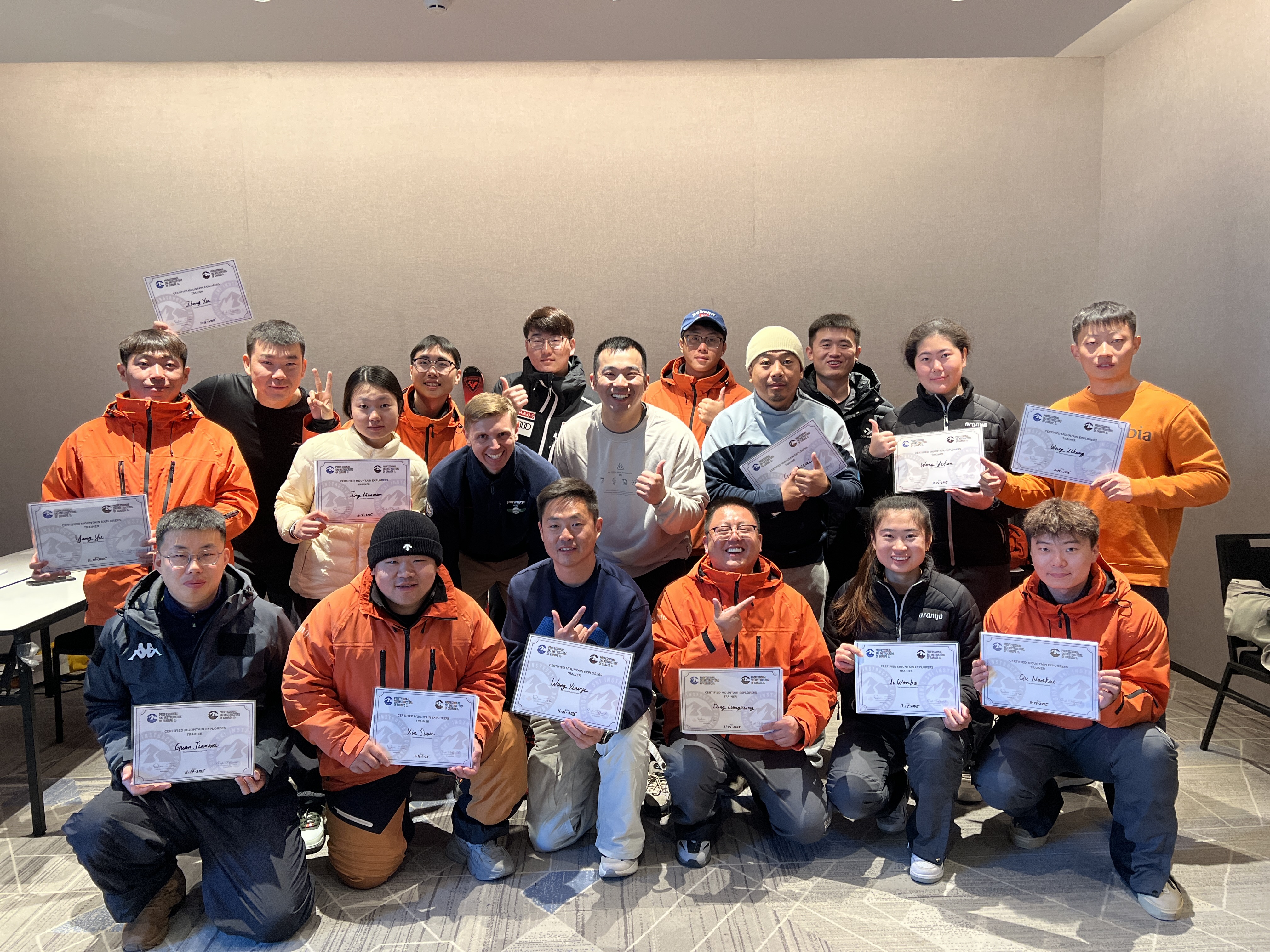
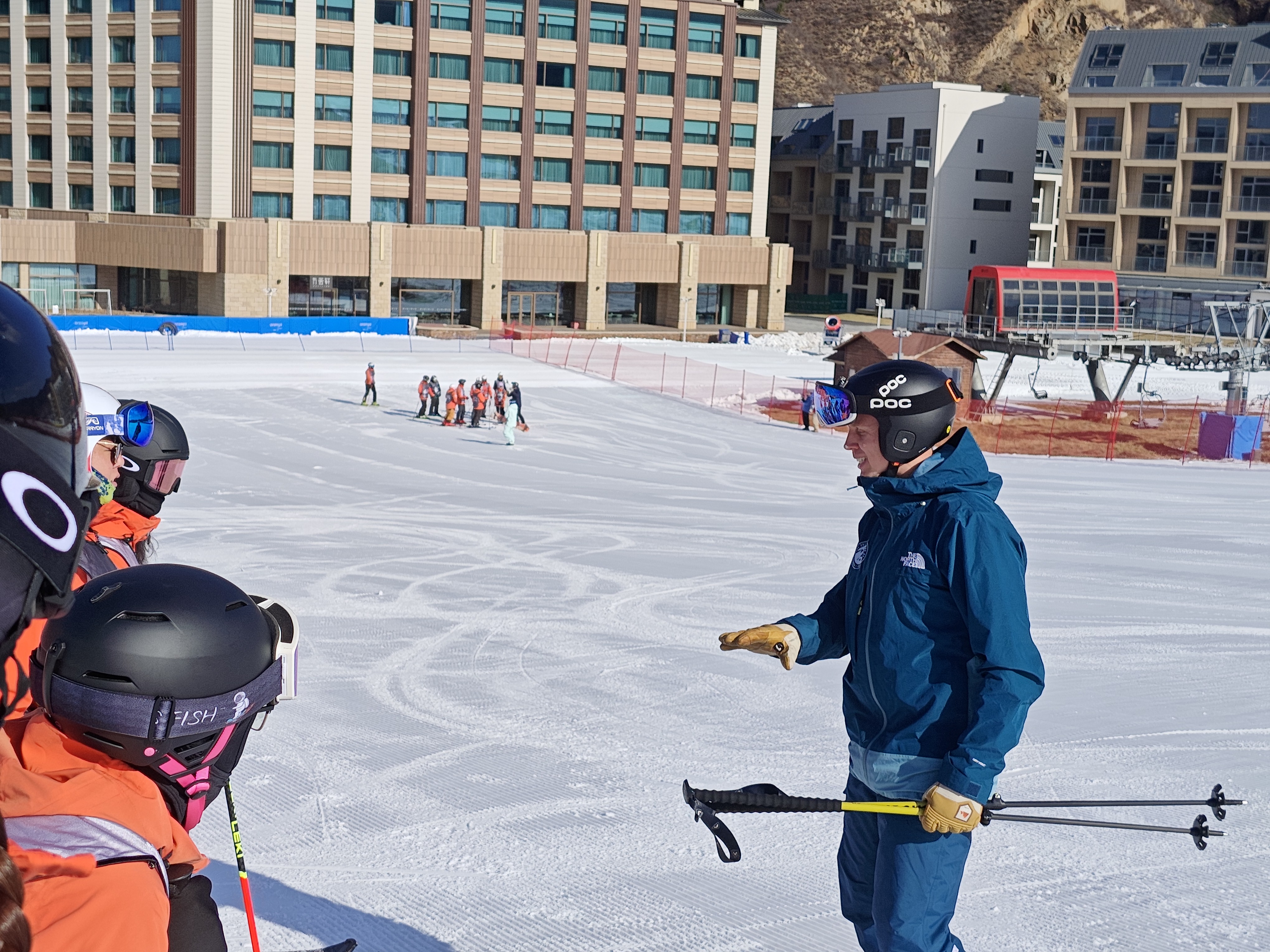
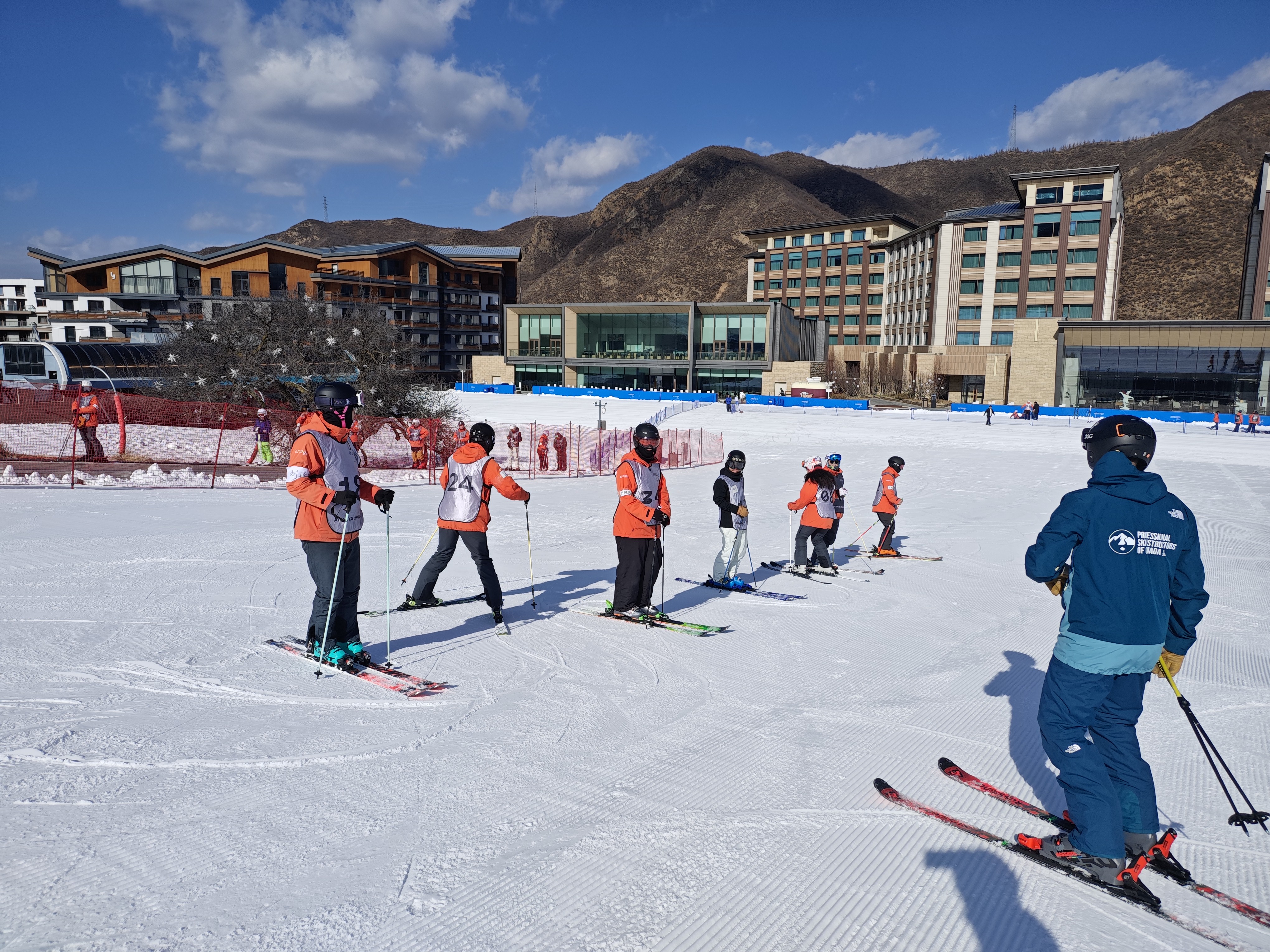
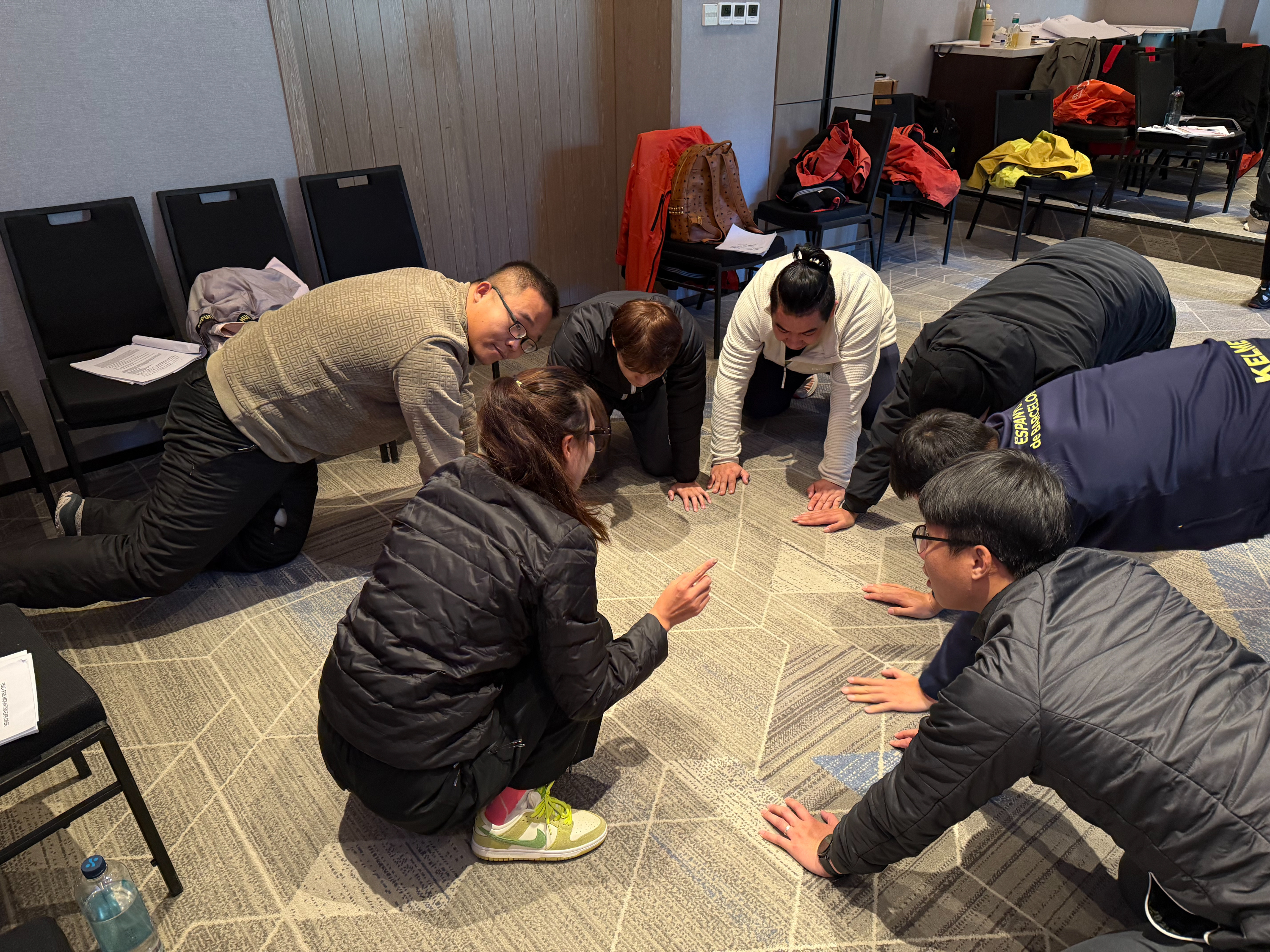
Our MEP coaching certification courses inspire coaches to rise to the top of the profession. Over the course of our intense multi-day training programs, course facilitators require participants to learn and apply the MEP science-based teaching methods. Small group and individual deep work sessions deepen engagement and create an atmosphere of creative innovation.
See feedback below from participants in previous training programs:

Participating in the PSIC and PSIE system training was, for me, a profound transformation from a "fixed mindset" to a "growth mindset." It made me believe that ability is not innate but can be gradually improved through effort. Each level's challenge is no longer proof of "I can't do it" but a step on the ladder of "I am growing." I view setbacks as learning data, not personal failure. This shift in mindset has given me unprecedented courage and patience when facing difficult slopes. The feedback and consolidation sessions complete the growth loop. After each training session, we no longer just brush off the snow and leave; instead, we calmly review: How much of my goal did I achieve today? What factors led to mistakes? Which methods were effective? This continuous reflection has turned me from an unconscious rider into a conscious learner, truly beginning to "understand" my athletic performance. What has been given to me is not just skill on the slopes, but a set of lifelong growth tools—facing challenges with a growth mindset, setting goals scientifically, and optimizing the path through continuous reflection. I have truly learned how to learn and how to grow.
MEP Certified Coach
This training experience has given me a deeper understanding of youth skiing instruction: skiing is not just a sport but a "practice" on a child's growth path—it teaches children to face challenges and persevere, while also allowing them to find joy and build physical strength through contact with nature. It's important to keep students' attention on the coach, ensure engagement in the course, and provide feedback to students. You can record videos during the lesson to correct them and deepen practice while maintaining correct movements. The lesson shouldn't be monotonous; it must be fun and get the kids excited. Pay attention to children's social and emotional development in teamwork. As coaches, we are not only skill instructors but also guardians of growth. In the future, I will carry this passion to continue optimizing teaching methods, using patience and professionalism to accompany more children as they chase their dreams and grow in the world of snow and ice, making skiing a shining memory of their childhood.
Participant, MEP Certificate Training

I benefited greatly from this learning: teamwork showed the charm of collective wisdom, and the growth mindset taught me to accept imperfection and dare to try. I have not only enriched my library of children's teaching games but also learned to integrate into the children's world, focusing on their attention and engagement rather than simply outputting knowledge. These gains will help me innovate my ski teaching methods and apply what I have learned into practice.

Marc D., Academy Program Director
This training brought a theoretical model and learning method supported by rigorous science, with a greater focus on the children's experience and feelings in the course. My biggest takeaway from this course is the "growth mindset." Blanket praise or criticism is not advisable; instead, we should guide children to think, make changes, and put them into practice. In future course design, I will integrate the four modules of "Attention, Engagement, Feedback, and Consolidation," while also paying attention to communication methods with parents, to provide a better experience for both children and parents.

Alex R., Senior Ski Coach
Before learning the MEP course, I hadn't realized there were so many teaching methods. During the two days of learning, I enriched my library of games for teaching children. The biggest takeaway was learning about attention and engagement—integrating myself into the children's world to better understand them, rather than just outputting content. I feel this training not only taught me how to teach children to ski in the future but also emphasized the need to integrate these new learnings into my own teaching for innovation.

Jamie L., Training Program Lead


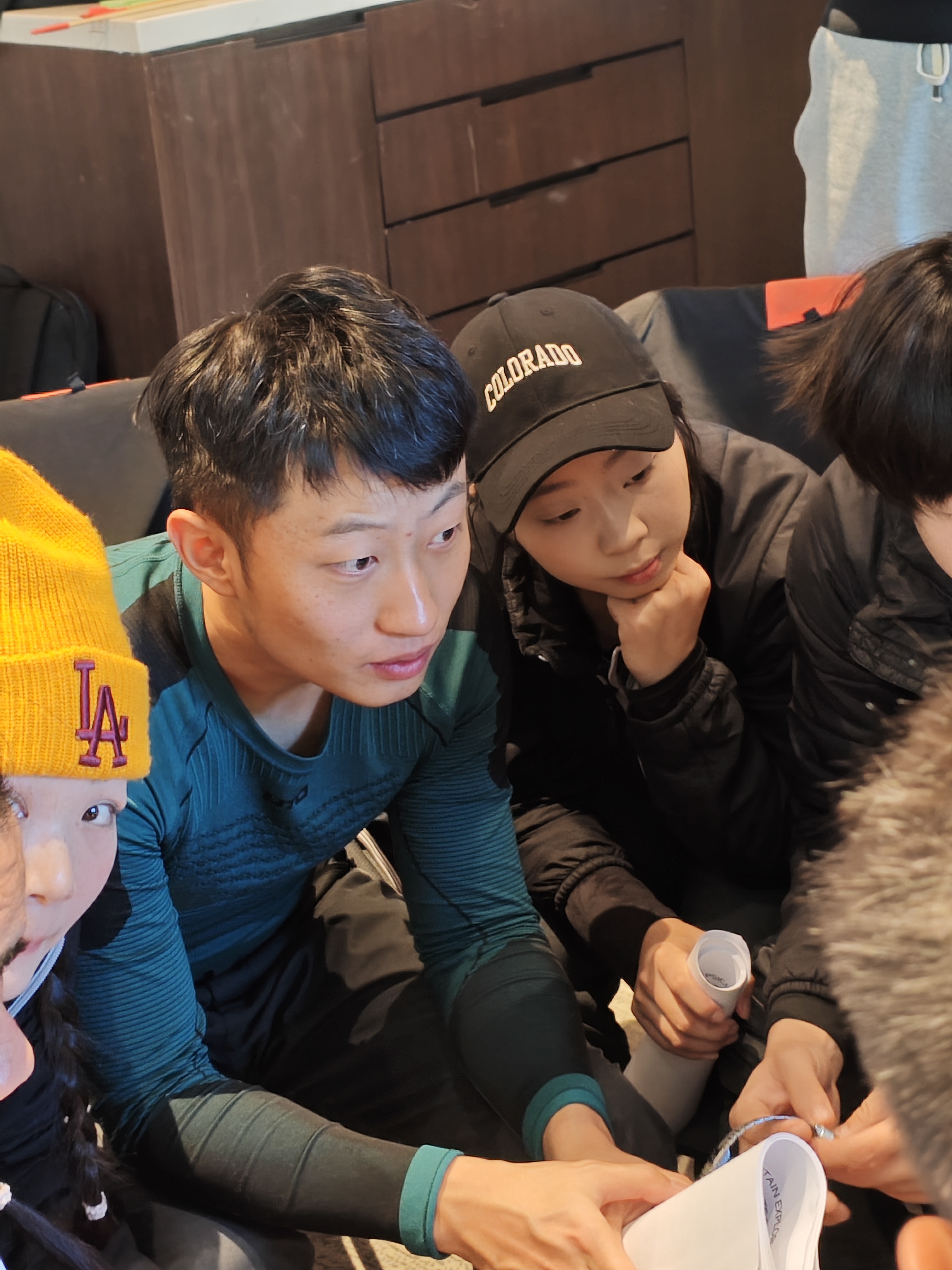
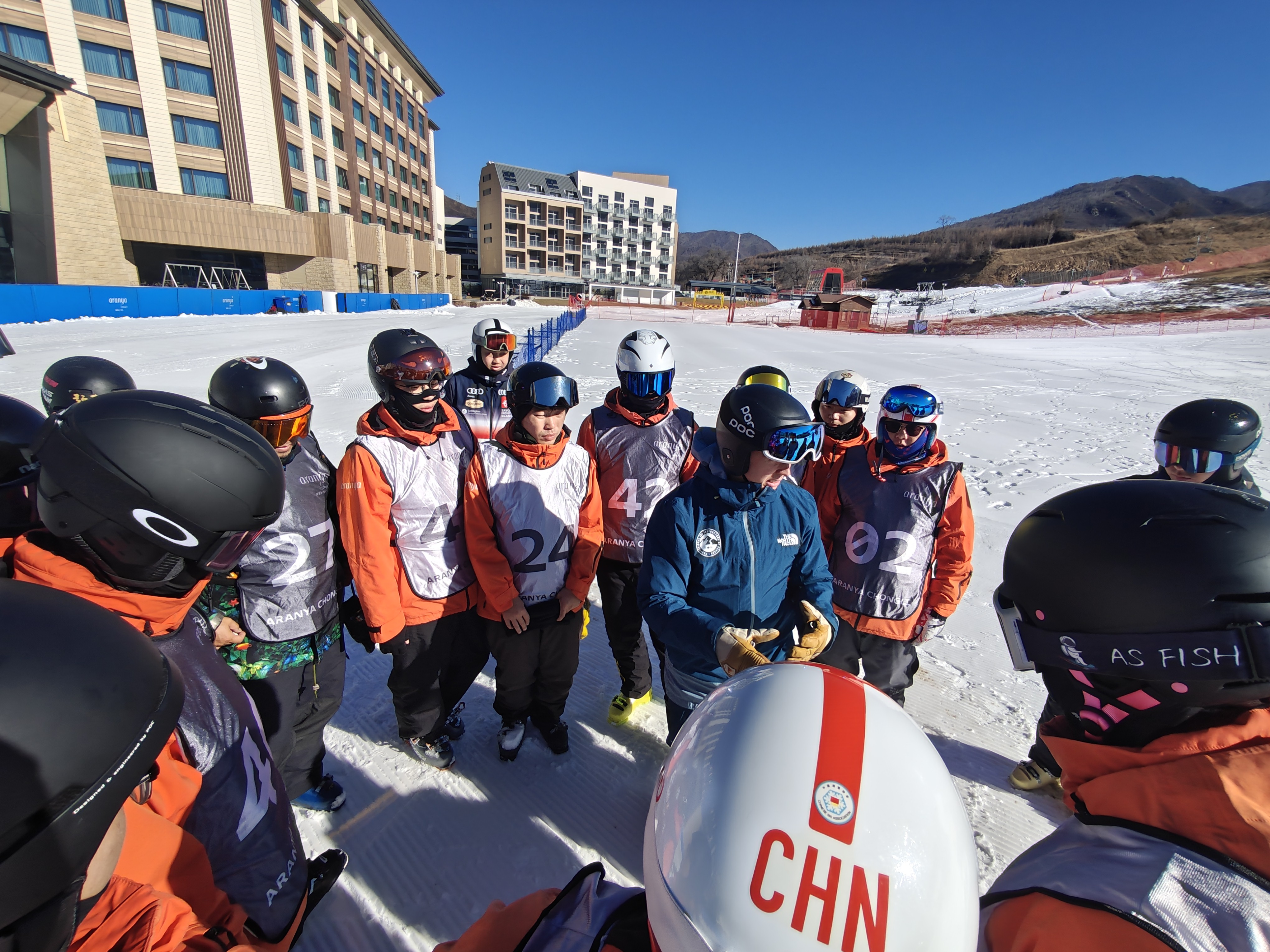
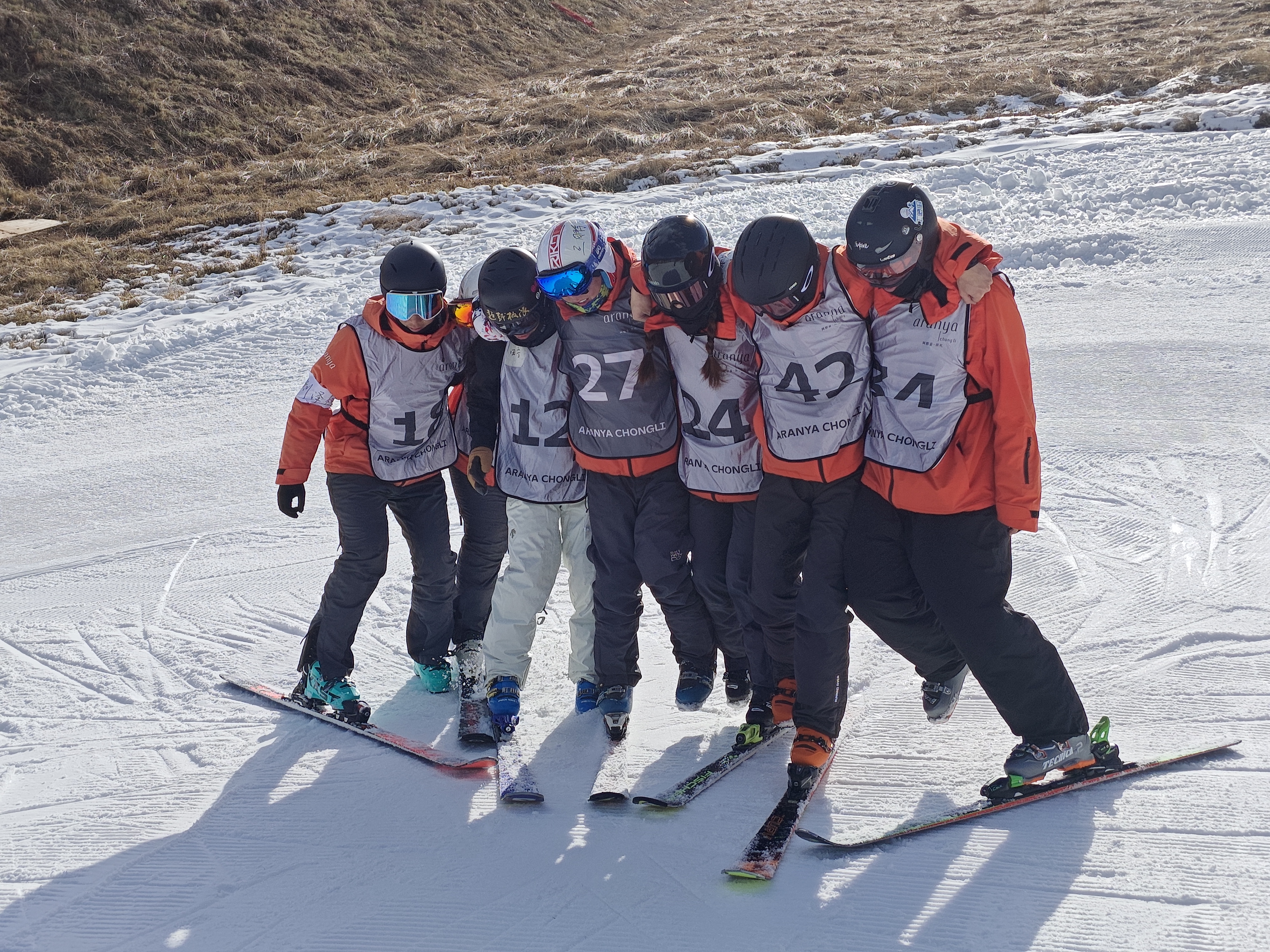
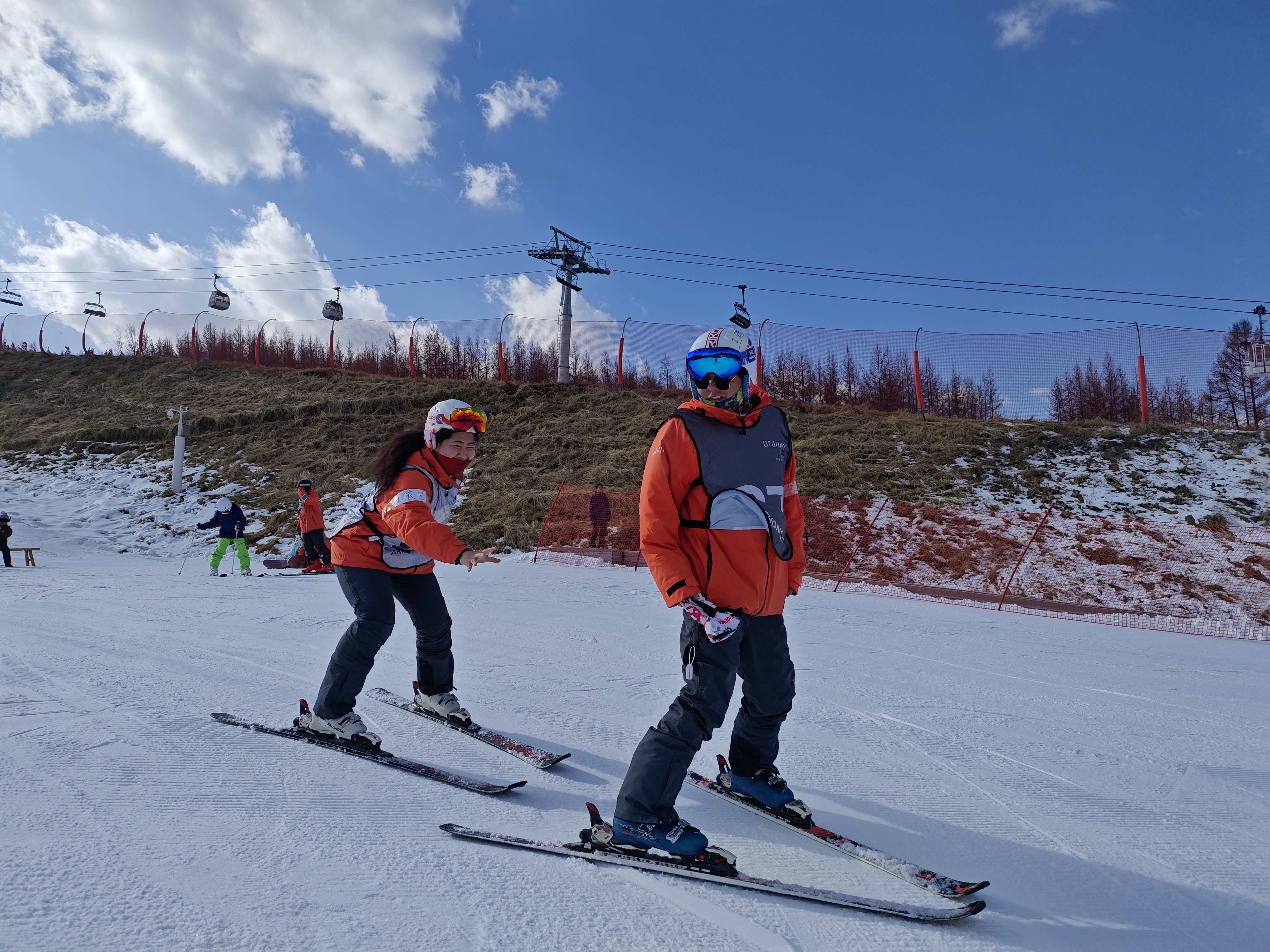
The MEP children's teaching system taught me to break down skiing skills into modules that fit children's cognition through scenario-based interaction and fun-oriented guidance. This ensures teaching professionalism while allowing children to build interest in skiing through joy.
In the future, I hope we continue to uphold the original intent of MEP education, refining teaching details and uniting professional strength, so that MEP children's ski teaching becomes a benchmark with more warmth and professionalism. I look forward to working with everyone to progress steadily on the path of children's ski education and witness more wonderful transformations in children!
Taylor S., Academy Instructor


The MEP children's ski system is based on children's physical and mental development patterns. Through the learning path of "Attention, Engagement, Feedback, Consolidation," it achieves simultaneous improvement in skill, safety, and interest. It is a scientific and efficient program for children's ski initiation and progression. We should explore and try to apply what we've learned, and not blindly judge based on our own thinking and experience. What impressed me the most were visual imagination, the growth mindset, and the importance of feedback accuracy.
I can't wait to put what I've learned into practice this ski season, to meet new challenges and growth!
Jordan B., Technical Director
The MEP system is based on children's physical and mental development patterns. The closed-loop path of "Attention, Engagement, Feedback, Consolidation" achieves the integrated improvement of skill, safety, and interest. It is scientific and efficient.
Morgan P., Level 3 Certified Coach

